Gantry AI Robot Laser Surface Cleaning Automation
Gantry AI Robot Laser Surface Cleaning Automation
Gantry AI Robot Laser Surface Cleaning · Robot SI Reference
Project Overview
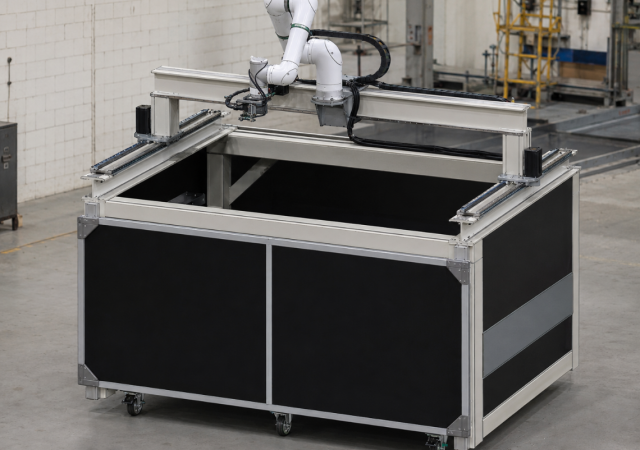
A gantry-type AI robot automation system that non-contact removes rust, paint, and contaminants from the surfaces of large metal structures — such as naval watertight door/hatch mechanisms and onboard fittings — using a high-power laser. A gantry robot (X·Y·Z) transfers the laser head over the workpiece while a 6-axis articulated collaborative robot precisely follows complex surface paths; combined with integrated SCADA/PLC control, door interlock, and a dust-collection system, it achieves safe and clean unmanned cleaning.
Automation System Configuration
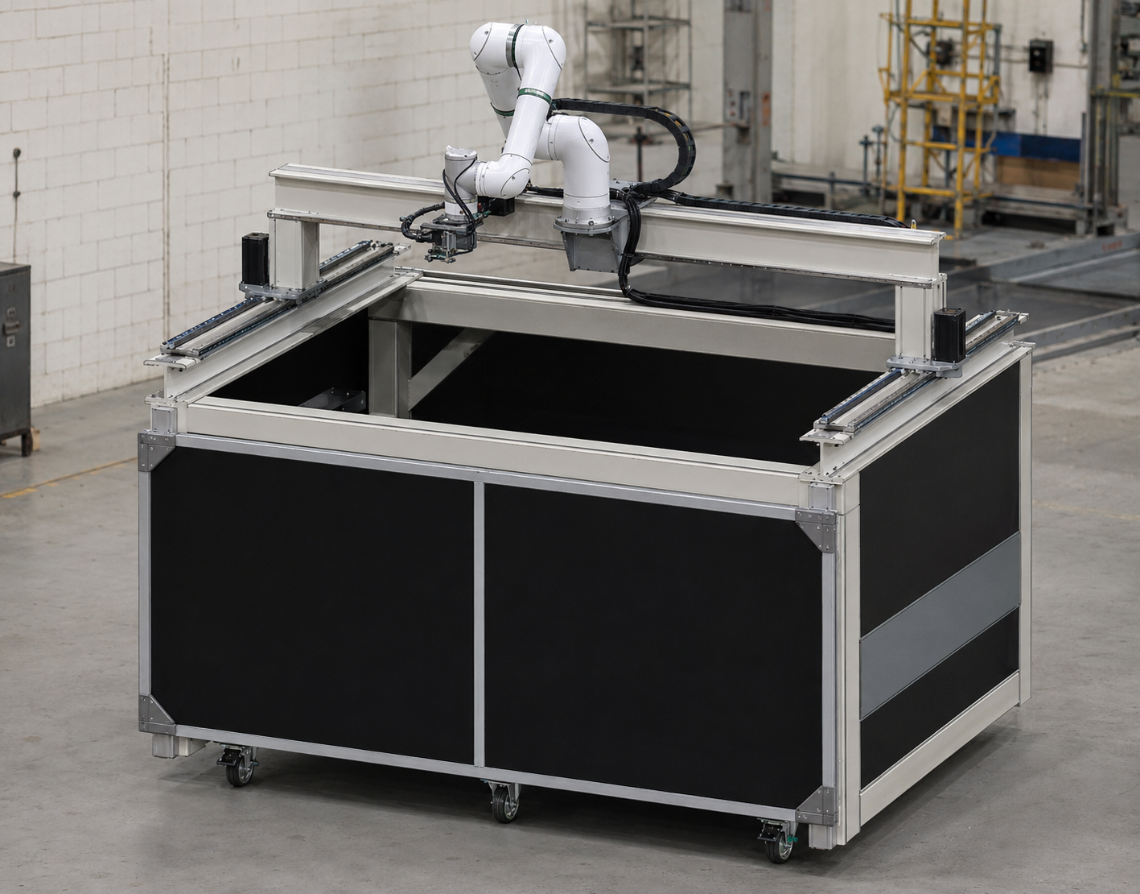
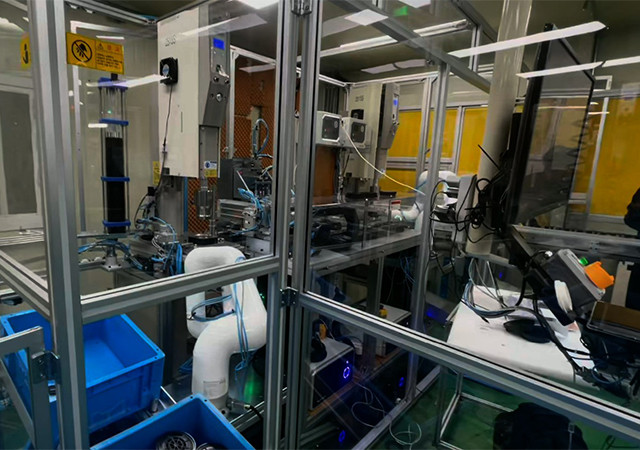
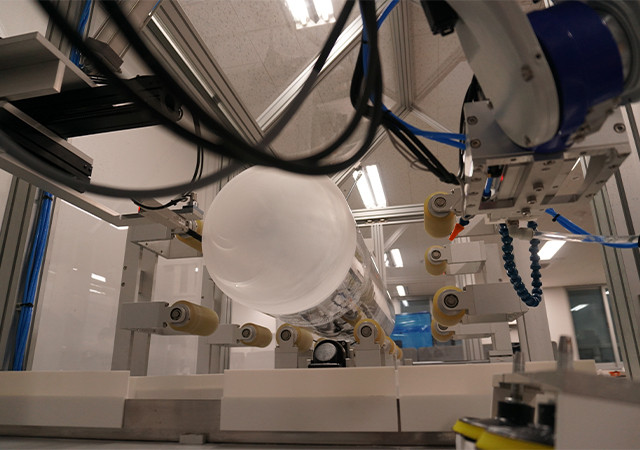
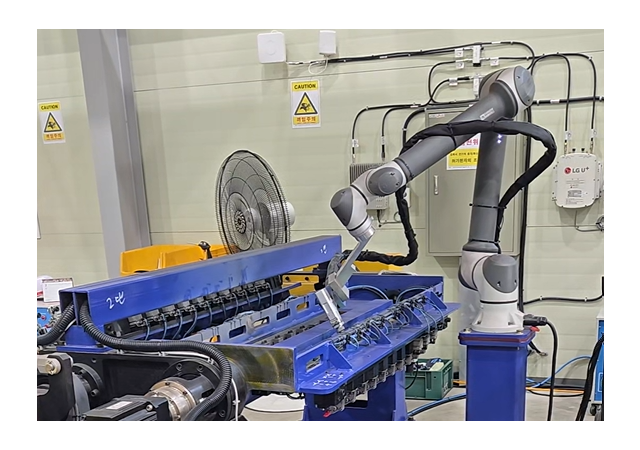
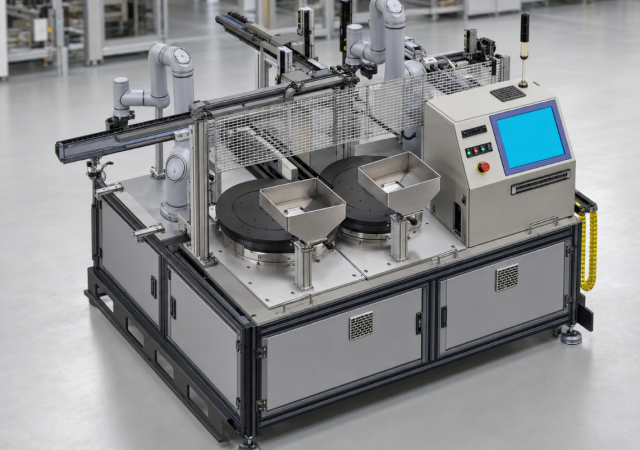
▲ Surface cleaning cell based on a gantry robot + 6-axis collaborative robot + laser cleaner
Process Flow
Workpiece Seating & Work-Area Check
The cleaning target (watertight door/hatch mechanism, fittings, etc.) is seated in the work area, and obstacles along the travel path as well as the safety-fence and door status are checked.
Job Model Selection & Parameter Setup
The target to be processed (steel plate, watertight door, etc.) is selected, and parameters such as laser power and frequency are set in SCADA according to the standard recipe.
Gantry / Cobot Head Transfer
After the gantry robot homes on its X·Y·Z origins, it transfers the laser head over the workpiece, and the 6-axis collaborative robot precisely follows the complex surface path.
High-Power Laser Non-Contact Cleaning
A high-power laser beam is irradiated to remove rust, paint, and contaminants from the surface in a non-contact manner. The laser is emitted only when the door is lowered (safety secured).
Real-Time Fume / Dust Collection
A dust collector captures the fumes and dust generated during cleaning in real time, maintaining a clean working environment.
Quality Check & Home Return
The cleaned surface quality is verified and checked for any untreated areas, after which the robot returns to Home and operation is ended according to the safety procedure.
Equipment Configuration & Specifications
| Category | Item | Specification · Configuration |
| Main Hardware |
Articulated Robot | 6-axis collaborative robot — laser-head transfer and precise path-following on complex surfaces |
| Gantry Robot | X·Y·Z Cartesian gantry — transfers the articulated robot; Z-axis manual / automatic positioning | |
| Laser Cleaner | High-power laser source · cleaning head — non-contact removal of rust, paint, and contaminants | |
| Optics · Cooling | Optics (protective window / lens) and chiller cooling unit — air purge applied | |
| Control System |
SCADA | Operation control and real-time status / alarm monitoring |
| Main PLC | Overall system sequence control and interlock logic | |
| Controller | Robot / laser-cleaner drive control and inter-device communication synchronization | |
| Safety Devices |
Door Interlock | Door-open detection — laser irradiated only when the door is lowered (safety secured) |
| Safety Controller | Emergency stop and safety-circuit monitoring | |
| Area Sensor · EMG | Operator-approach detection and emergency stop — multi-layer safety design | |
| Operating Criteria |
Laser Power Management | Maintained within ±5% of the set value (HMI power monitoring · test-shot verification) |
| Coolant Temperature | Chiller set temperature maintained at 22 ~ 25 ℃ · coolant level / leak inspection |
Benefits
- Non-contact laser precisely removes rust, paint, and contaminants from metal surfaces, minimizing base-material damage
- Gantry + 6-axis cobot combination automatically follows complex surface paths
- Integrated SCADA / PLC control with interlocks for stable unmanned operation
- Dust-collector integration provides real-time fume / dust capture for a clean working environment
- Multi-layer safety design (door-lowered interlocked irradiation, EMG, etc.) protects operators
Applications
- Surface cleaning of large metal structures such as naval watertight door/hatch mechanisms and fittings
- Non-contact laser removal of rust, paint, and scale from metal surfaces
- Surface-treatment automation for complex-shaped and large structures
- Maintenance and repair lines in the defense and shipbuilding sectors
- Processes requiring paint pretreatment and surface cleaning